Color is more than just a visual experience; it profoundly influences our emotions, behaviors, and perceptions. Understanding color psychology can help you create spaces that not only look great but also feel right. Here’s a guide to choosing the perfect shades for every room in your home. For more information on how you can use these color concepts to your home, click here.
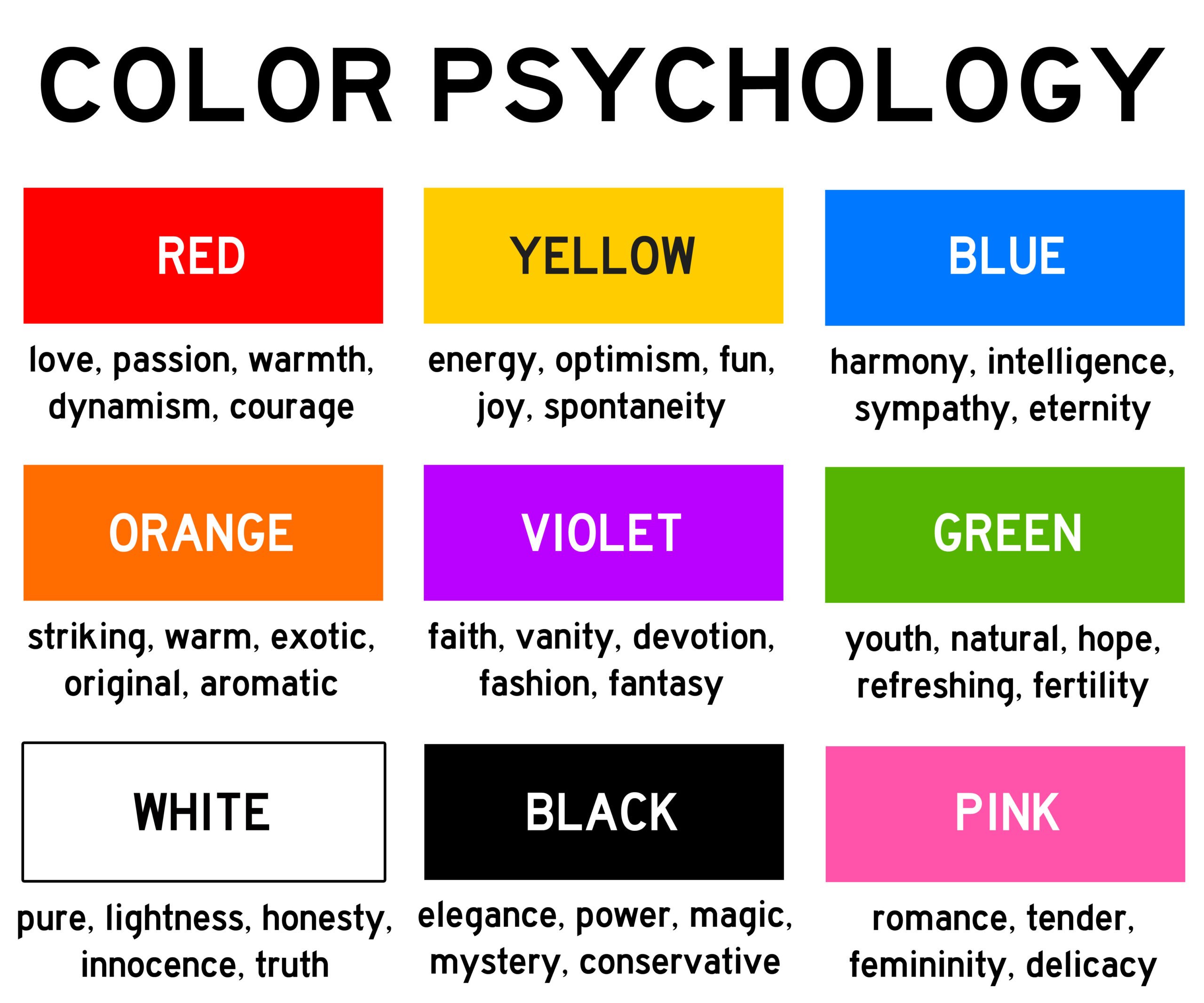
The Basics of Color Psychology
Color psychology is the study of how colors affect human behavior and emotions. Different hues can evoke specific feelings, memories, and responses. For example:
- Warm Colors (reds, oranges, yellows): These colors can stimulate energy, creativity, and warmth. They often encourage conversation and social interaction.
- Cool Colors (blues, greens, purples): These shades tend to promote calmness, relaxation, and serenity. They can create a peaceful atmosphere conducive to rest and reflection.
- Neutral Colors (whites, grays, browns): These colors provide a versatile backdrop that can be calming or energizing, depending on the accompanying shades.
Understanding these associations can guide your choices in every room.
Choosing Colors for Each Room
Living Room: Welcoming and Inviting
The living room is often the heart of the home, where family and friends gather. To create an inviting atmosphere, consider warm tones like soft yellows or muted oranges. These colors can spark conversation and make the space feel cozy. If you prefer a more relaxed vibe, soft blues or greens can provide a calming backdrop while still feeling welcoming.
Kitchen: Energizing and Functional
The kitchen is where creativity meets functionality. Bright and cheerful colors like sunny yellows or vibrant reds can stimulate appetite and energy, making cooking a more enjoyable experience. For a fresh and clean feel, consider crisp whites or light grays with colorful accents.
:max_bytes(150000):strip_icc()/soothing-bedroom-5-5733d9905f9b58723dd7757d.jpg)
Bedroom: Restful and Serene
Your bedroom should be a sanctuary for rest. Soft blues, greens, and lavenders promote relaxation and can help reduce stress. These cool colors create a tranquil environment conducive to sleep. Avoid overly stimulating shades; instead, opt for muted tones that soothe the mind and body.
Home Office: Focused and Productive
Creating a productive workspace is crucial for maintaining focus. Shades of blue can enhance concentration and promote calmness. If you want to stimulate creativity, consider incorporating pops of yellow or orange. Neutral tones can provide a clean slate while allowing for creativity through accessories and artwork.
Dining Room: Engaging and Inviting
For a dining room, choose colors that stimulate appetite and conversation. Rich hues like deep reds or warm browns can create an intimate atmosphere, making meals feel special. If you prefer a brighter space, consider using shades of yellow or orange, which can energize and uplift the dining experience.
Bathroom: Refreshing and Rejuvenating
Bathrooms should evoke a sense of cleanliness and refreshment. Soft blues and greens can create a spa-like atmosphere, promoting relaxation. Light neutrals can also work well to maintain a clean, airy feel. Add pops of color with towels or decor to keep the space lively.
Kids’ Rooms: Fun and Creative
Children’s rooms should be playful and imaginative. Bright colors like vibrant pinks, blues, and yellows can stimulate creativity and energy. Consider incorporating wall decals or patterns that can be easily updated as your child grows, allowing for flexibility in design.
Tips for Choosing the Right Colors
- Consider Lighting: Natural and artificial light can dramatically change how a color looks. Test colors in different lighting conditions to see how they feel at various times of the day.
- Start with a Palette: Choose a color palette that reflects your personal style and the mood you want to create. Stick to a cohesive theme throughout your home for a harmonious flow.
- Use Samples: Before committing to a color, paint a small area of the wall or use color swatches to visualize how the shade will look in your space.
- Balance with Neutrals: If you opt for bold colors, balance them with neutral shades to avoid overwhelming the senses. This can create a more sophisticated and comfortable environment.
- Personal Preference Matters: Ultimately, your emotional response to a color is most important. Choose shades that resonate with you and reflect your personality.
Conclusion
Color psychology offers valuable insights for creating spaces that feel just right. By understanding the emotional effects of different shades, you can design each room in your home to support its intended purpose. Whether you’re looking for tranquility in the bedroom or energy in the kitchen, the right colors can enhance your living experience and make your home truly yours. So take a moment to consider the hues around you, and let your environment reflect the emotions you want to nurture.
from WordPress https://ift.tt/hrIpUgV
via IFTTT



Modern office painters Maple Ridge
ReplyDeleteCommercial building painters Surrey